Dive Brief:
- The National Chicken Council, a poultry industry trade group, has releasedits first U.S. Broiler Chicken Industry Sustainability Report. It found that the industry cut its greenhouse gas emissions per kilogram of bird produced 18% between 2010 and 2020, despite producing 21% more poultry by weight in that same time period. Land and water use fell 13% and fossil fuel consumption dropped 22%.
- 该报告还highlighted improved animal welfare standards among poultry producers, with on-farm mortality rates for broiler chickens declining 72% since 1925. Access to adequate feed improved and the animals are now less susceptible to disease and predators, and are raised by professionals trained to industry welfare standards, the group said.
- As consumers seek out food from more environmentally conscious sources, the chicken industry has a vested interest in framing its members as sustainable and ethical. The report comes after negative attention poultry producers have received over the past few years and during the pandemic regarding their carbon footprint and animal welfare practices.
Dive Insight:
The meat industry has faced a barrage of criticism in recent years for the sustainability of its operations afterreports detailed its heavy contributionsto greenhouse gas emissions and fossil fuel use.In 2019, a climate change report from the Intergovernmental Panel on Climate Change, commissioned by the UN, found thatif the world population shifted from meat andembraced a more plant-based diet, by 2050 it could reduce global carbon dioxide emissions by up to eight billion tons per year.
Poultry processing companies, who make up the membership of the National Chicken Council, want to build trust with consumers regarding their practices and to keep chicken a staple in their diets. And they've been rolling out a series of commitments to turn the conversation positive.
Tyson, the largest broiler chicken producer in the U.S., hasmade it a priorityin recent years to transition to a more sustainable business model. The chicken giantpledged to achieve net-zero carbon emissions by 2050, with a goal of using 50% renewable energy by 2030. In 2015, Perdue Farms pledged toreduce greenhouse gas intensityby 30% by 2023.
The poultry industry has also beencriticized for its treatment of animals. WhenCOVID-19 shut down meat processors in the spring of 2020,over 2 million chickens at one plant were killed but not processed for meat, triggering outrage among consumers and animal rights advocates.
批评人士也质疑该行业莱斯es chickens, arguing that today's birds are bred for quantity of meat, at the loss of quality of life. White striping disease, a muscular ailment that erodes a chicken’s muscle and increases its fat levels, is now found in 99% of supermarket chickens,according to a report released this weekby the Humane League. The animal rights group said it occurs when chickens are bred for rapid growth.
But the poultry industry has also shown itself responsive to negative feedback. After videos of animal cruelty at a Tyson factorysurfaced in 2016,the company ending the practice of beak modification on its chickens. Cargill hasmade commitments to handle its poultryin a low-stress way, anda report from World Animal Protection and Compassion in World Farmingfound that animal welfare has become “integral” to the company’s business strategy. And last month,CPGs and retailers founded a working grouptohelp other brands meet theBetter Chicken Commitment— baseline welfare standards for meat chickens created in 2014 by Compassion in World Farming.
Many consumers have shown they prioritize ethical production of chicken. According toa report from Compassion in World Farmingthat参考文献Minteldata, 29% of consumers said the most important thing to them when buying chicken is the "humanely raised" label.
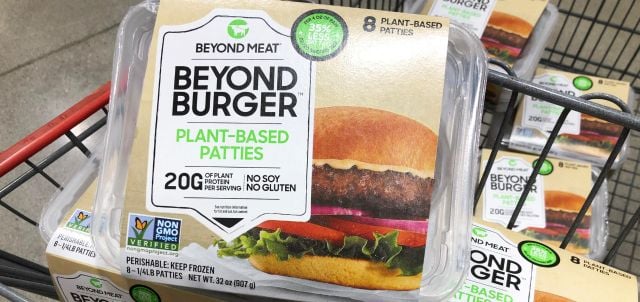
For the poultry industry, being responsive to consumers' concerns and demonstrating its sustainability is key. Many people are looking for more environmentally friendly ways to fulfill their protein needs. In lieu of poultry, some areturning to plant-based chicken, which saw an 18% increase in sales in 2020,according to SPINS data.