Dive Brief:
- TheSweets & Snacks Expo last week featured a wide range of products that illustrated trends sweeping the industry, from long-established trends to fresh innovations.
- Simple ingredients, bold and regional flavors, and meal replacement serving sizes remain crucial for snack companies looking to deliver on consumer trends.
- 其他趋势,如新在标志性的最爱s, seasonal and occasion-based consumption, and combining snack categories in individual products, also played a role in product development for snacks featured at the expo.
Dive Insight:
混合产品manuf的方式acturers to offset concerns about one type of indulgence with the flavors, textures, and health benefits of another.
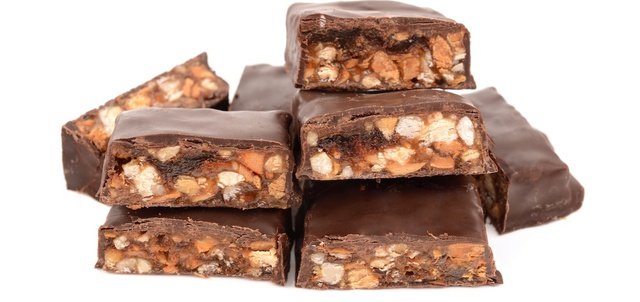
This is particularly true among salty and sweet snacks, which has resulted in salty and chocolate-based snack mixes such as Hershey's "snackfection" innovations. Consumers may be more concerned with salt, while others are with sugar, so combining the two can balance those concerns with other desired flavors and textures.
"It’s a way to now shift people’s attention away from the salt if the salt is what they’re worried about because now they’re not nearly as worried about sugar so much," Norman Deschamps, lead author of a recent Packaged Factssalty snacks report, told Food Dive in March.
Reducing salt by adding in sweet snack components could also help manufacturers abide by theanticipated voluntary salt reduction targetsthe FDA may announce this year.
Confectioners see significant sales spikes around the winter holidays, Halloween, Easter, andValentine's Day. But to make those sales spikes more consistent throughout the year, Hershey determined another key snacks occasion to align its products with—birthdays. New twists on iconic products continue to push snack brands forward.
Localized flavors are a trend that has spanned across food and beverage categories. At the expo, ConAgra debuted Slim Jim meat snacks in local flavors likeNew York Buffalo Style, Philly Cheesesteak, and Cali Taco. Kraft Heinztook a similar approach when it debuted new Heinz barbecue saucesin regional flavors like Memphis and Kansas City. This flavor tactic enables larger manufacturers to better compete with smaller, local companies, which have beenstealing market share consistently over the past few years.