YaakovNahmias, president of Future Meat Technologies,被快速生长所包围。
There's the growth of the cell-based meat company, which Nahmias co-founded in Israel in 2017 and is currently getting set to expand to the United States. There's the growth of the animal cells that the company uses to produce meat, which it said grow much faster and more efficiently than those being developed by other cultured meat startups. There's the growth in efficiency, as the cost to Future Meat to produce a chicken breast continues to drop.
And, announced today, there's the growth in the company's funding. Future Meat Technologiesraised $347 million in Series B funds这是迄今为止在耕种肉类空间中为一家公司提供的最大的筹款活动。仅此一轮Skyockets Future Meat的总资金超过八倍,从40080万美元到3.878亿美元。这笔资金将用于美国的工厂,一般扩张,更多研发,并为全球最终的商业发布做准备。
纳希米亚斯在一次采访中说,是的,该公司在内部发展和整个耕种肉类空间中都看到了许多令人难以置信的增长并达到了里程碑。但是最大的挑战是未来的。
“下一个挑战是建立一个大规模facility that can actually address the needs of the American market — and reach not only small-scale restaurants with Michelin stars and chefs serving tiny pieces of chicken, but actually getting into retail," said Nahmias. "It's gonna take some time, but this is exactly where we're going."
创纪录的资金回合
Funding for cell-based meat companies in general has been skyrocketing. But this is not only the largest round for one company in the space — it's also the third-largest single round in alternative protein in 2021.
这一轮由全球粮食巨头弓箭手丹尼尔斯·米德兰(Daniels Midland)的风险投资人Adm Ventures共同领导。未来的肉类在本轮上还有其他大食品支持,包括与肉类生产商泰森和成分制造商富含产品相关的风险投资。

An anonymous co-leader — a large global technology investment fund — also participated in this round, Nahmias said. Other funders represent players in North America, Europe and Asia, and include S2G Ventures and Manta Ray Ventures.
Some of the investors have deep relationships with Future Meat, having participated in both past funding rounds and providing support for R&D. ADM has previously funded Future Meat, and has helped the companydiscover components for its cell growth medium。Nahmias said working with a company that has ADM's size and scope has helped with sourcing raw materials and developing new ingredients. He said there may be more announcements coming soon on this front.
Tyson is also a repeat funder of Future Meat. Nahmias said its support makes sense when you look at the company's history. Chicken had once been relatively expensive, but Tyson found new ways to farm and process poultry so it became affordable and widely consumed.
纳米亚斯说:“我认为泰森认为需要大规模改变。”“我们需要开始为不断增长的人口生产更多的食物和更多的蛋白质,以及想要更多蛋白质蛋白质的城市人口。这种需求不断增长。
Costs crashing down
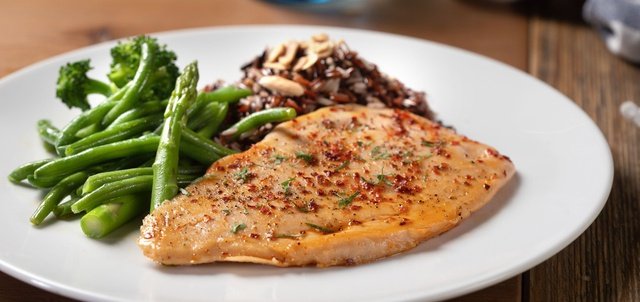
It was big news in February when Future Meat announced it had brought the cost of a cultured chicken breastdown to $7.50。
Just 10 months later, the company said it can make almost a pound of chicken for $7.70 a pound, and a 110-gram chicken breast costs just $1.70 to create. In May, the company's former CEO had set a goal of getting close to this cost threshold by the end of 2022, which Future Meat easily exceeded.
Nahmias said that dedication to the goal, as well as good science, helped the company slash its production cost so quickly.

Future Meat has a different approach and methodology for cell-based meat. Instead of using stem cells, which is the choice of many other manufacturers, Future Meat使用快速生长和分裂的成纤维细胞, which are capable of doubling in less than 24 hours. These cells can grow as muscle or fat,Nahmias已经说过,这意味着它们可以为成品提供蛋白质和质地以及香气和风味。根据未来的肉类,其方法可以产生比行业标准高10倍的细胞密度。
Future Meat also uses a growth medium that is completely animal component-free. Nahmias said the company has been able to find the same sorts of proteins that come from animals in plant-based items such as chickpeas and soy, which has helped cut costs "by several orders of magnitude." The growth medium used by Future Meat costs about $2 a liter, Nahmias said — about a tenth of what pharmaceutical companies that culture cells currently pay.
此外,Future Meat表示,其不锈钢发酵剂不断从生长培养基中除去基于氨的废物产品,从而提供了支持细胞生长的恒定环境。该公司表示,可以回收这些细胞的生长培养基中70%以上的养分。
Coming to the United States with expansion in mind
今年夏天未来的肉打开了first large-scale production plantin Israel, but it's been no secret that the company has had its eyes on the United States as well. After all, Nahmiassaid more than a year agothat the company has been in close contact with regulators at the FDA and USDA about its processes, inputs and products.
纳米亚斯说,未来的肉类目前正在寻找建造美国工厂的地点,在2022年进行了开创性的工作,暂定运营日期为2024年。生产数千吨肉。With Future Meat's intensive cell culture technology, Nahmias said it is able to produce more meat than other companies using similar-sized factories.
"We need a smaller factory to produce more biomass," he said.
Future Meat has not yet decided where to build the facility, although it is casting a wide net. Nahmias has personal history in the Midwest — he earned his Ph.D. at the University of Minnesota — as well as New England, with professorships and research jobs in the Boston area. But he is also considering the local pool of potential employees, access to sustainable energy to power the facility and proximity to suppliers to minimize its carbon footprint. Because the ammonia waste removed from cell culturing fermenters can be used as fertilizer, he'd also like to be in a place where that can be easily offered to farmers.
“下一个挑战是建立一个大规模facility that can actually address the needs of the American market — and reach not only small-scale restaurants with Michelin stars and chefs serving tiny pieces of chicken, but actually getting into retail. It's gonna take some time, but this is exactly where we're going."

Yaakov Nahmias
President, Future Meat Technologies
Nahmias表示,未来的肉类的过程旨在在任何国家使用任何转基因生物,并且在其培养基中没有有争议的物质。Future Meat还与其祖国以色列的监管机构合作,这是该公司以及亚洲和欧洲的四家耕种肉类公司之一。到目前为止,唯一拥有培养肉类并获得任何批准的监管标准的国家是新加坡first approved cultured chicken from Eat Just's Good Meat brandlast year.
As the company is primed for more growth, it's also looking for a new CEO. Co-founder Rom Kshuk, who had been serving as CEO, stepped down in November, Nahmias said. Right before the funding news was made public, Kshuk邮政ed on LinkedInthat he was leaving his post "to allow the company to grow to its next horizon." Nahmias said Kshuk's departure at this phase had been long discussed, and that the company launched a process about six months ago to work on this transition.
“最大的挑战的未来十年ing to be logistics and operations," Nahmias said. "How do we scale this up? To do that, you need to move the company into a different phase. You need to have significantly higher management experience to build large-scale operations and bring product to the market. And I think it's very different sets of skills than building a company from zero."
Nahmias said the company is currently being run by senior management and more announcements are forthcoming.
纳米亚斯说,这是一个令人兴奋的时刻,他对肉类的培养肉类感到兴奋,他对下几年的公司感到兴奋。但是他说,他有更直接的理由来思考未来。
"I have five little kids and in my mind, I always think about what do I want them to eat? What do I want them to have on their plate?" he said.