Clean label is no longer a trend, it’s the rule. Many upstart food companies enter the market with clean label credentials built in, and while legacy brands are under pressure to follow suit, it can be an onerous and expensive endeavor.
Until a few years ago, the onus was on the consumer to check ingredient lists. But as chains such asPaneraBread and Whole Foods released lengthy no-no lists, and even mainstream fast food restaurants like McDonald’s joined the drive toward simpler foods, the push to rid products of artificial colors and flavors, preservatives and high fructose corn syrup while embracing cage-free eggs and antibiotic-free chicken has shifted towardthecompanies themselves.
So which ingredients are the first to be phased out of products when manufacturers aim to “clean up” their products?
塔玛拉·巴内特,副总裁战略insights at The Hartman Group, said because the movement is consumer-driven, the ingredients that food and drink makers choose to cut from their products often responds to their demands.
“The answer is really very category specific, which is why it’s hard to come up with a hit list of ingredients,” she told FoodDive.
“标志性品牌走了一条很好的路线。他们建立了up a food experience but need to meet new perspectives. “A lot of the time consumers already perceive these products as being made with simple ingredients, so shouting from the rooftops that you have taken out the high fructose corn syrup and soy lecithin might be counterproductive.”

Tamara Barnett
Vice President of Strategic Insights at The Hartman Group
Manufacturers of children's products are more likely to have a long list of ingredients to eliminate, including artificial sweeteners, colors, flavors and preservatives – and to give all of them equal importance – while other manufacturers may prioritize unpopular ingredients, such as artificial sweeteners.
Communicating these changes to a shopper used to food looking and tasting a certain way also is a big challenge for established companies.
“标志性品牌走了一条很好的路线。他们建立了up a food experience but need to meet new perspectives,” said Barnett. “A lot of the time consumers already perceive these products as being made with simple ingredients, so shouting from the rooftops that you have taken out the high fructose corn syrup and soy lecithin might be counterproductive.”
With more consumers than ever saying they prefer simpler foods with easy-to-understand ingredient lists, having a clean label is no longer an optional extra for manufacturers.
Here are the top priority ingredients for food and drink makers, the scale of the challenge and why they have been targeted in clean labelreformulations.
Artificial sweeteners
These concerns have led tothe rise of natural alternatives, such assteviaand monk fruit, as well as lower sugar products without additional sweeteners or with small amounts of honey or agave syrup.Reformulation in this space has gained momentum as diet soda consumption hasfallen by 27%since 2005. Last year was a pivotal one asbottled water overtook sodaas the nation’s favorite beverage.
Despite emerging fears about the health impacts of these sweeteners, it has not been enough to convince the American Heart Association or the American Diabetes Association, whichcontinue to approvethe use of artificial sweeteners in place of sugar to help manage diabetes, obesity and metabolic syndrome,to change their stance.
For manufacturers, the taste of natural alternatives is still an issue. PepsiCo CEO Indra Nooyi has said the best approach could be tonudge down sugar levelsover several years instead of unveiling an all-natural, zero-calorie product that doesn’t taste great. Particularly within the beverage industry, blends of sugar and stevia have becomeincreasingly popular.In Europe, Coca-Cola has even reformulated its regular Sprite with 30% less sugar and added stevia, without positioning it as a mid-calorie option.
High fructose corn syrup
High fructose corn syrup was embraced by the industry following its introduction in the1970sfor its advantages as a liquid ingredient, which is easier to use in products like cereals, syrups, sauces and beverages. Comparable to sugar in flavor and sweetness, it also has benefited from U.S. corn subsidies, production quotas on domestic sugar and import tariffs on foreign sugar, making it one of the cheapest available sweeteners. It also has a significant advantage on price where it isabout half as costlyasordinary sugar.
According to a recentHartman Group survey, 56% of U.S. consumers aim to avoid high fructose corn syrup.
Concerns about the ingredient began in 2004 when a study suggested it was linked to rising obesity rates. The study’s lead researcher, BarryPopkin, latersaid he was wrongto suggestHFCSwas uniquely responsible for obesity; instead, all fructose-containing sweeteners, including sugar, were likely to blame. The clarification was to no avail. Consumers had already started to shunHFCSen masse, and its reputation has never recovered despite continued assertions from nutrition experts and public health authorities that it is no different from sugar.
For manufacturers who depend on a sweetener for their salad dressings or cereals, they face adilemma. Do they distancetheir companyfromHFCSand switch to sugar, which is often technically challenging as well as more expensive, or maintain the status quo. A large number of brands have goneHFCS-free, including Hunt’s ketchup, Gatorade and Wheat Thins. The effect has been drastic. Annual consumption ofHFCShasdropped by about a third, from 62.5 pounds per person in 2000 to 42.5 pounds in 2015, according to Statista.
“Companies are realizing that it’s best to respond to demand. It’s not about trying to convert consumers,” Barnett said.“High fructose corn syrup is more something that’s taken on by the big industry associations. From the manufacturers’ standpoint, it’s about responding to consumer demand both long term and short term … It’s probably (a) better effort to try and modernize your product.”
Trans fats
反式脂肪,或partially hydrogenated oils (PHOs), have been used in place of butter and lard for more than 100 years, but its use really took off in the 1980s as the push to cut saturated fat prompted a host of changes. Consumers switched from butter to margarine, and restaurants and fast food outlets stopped using beef fat and palm oil for frying, replacing them with partially hydrogenated oils.
There are significant benefits for manufacturers because PHOs are solid at room temperature, inexpensive and can extend the shelf life of foods. Their melting point between 86°F and 104°F means they melt in the mouth, providing a desirable flaky or creamy texture for products ranging from frosting and chocolates to crackers, cookies and donuts. In the early 2000s, they were found to contribute to “bad” cholesterol in the blood, while also lowering levels of the “good” kind, a factor known to contribute to a higher risk of heart disease.
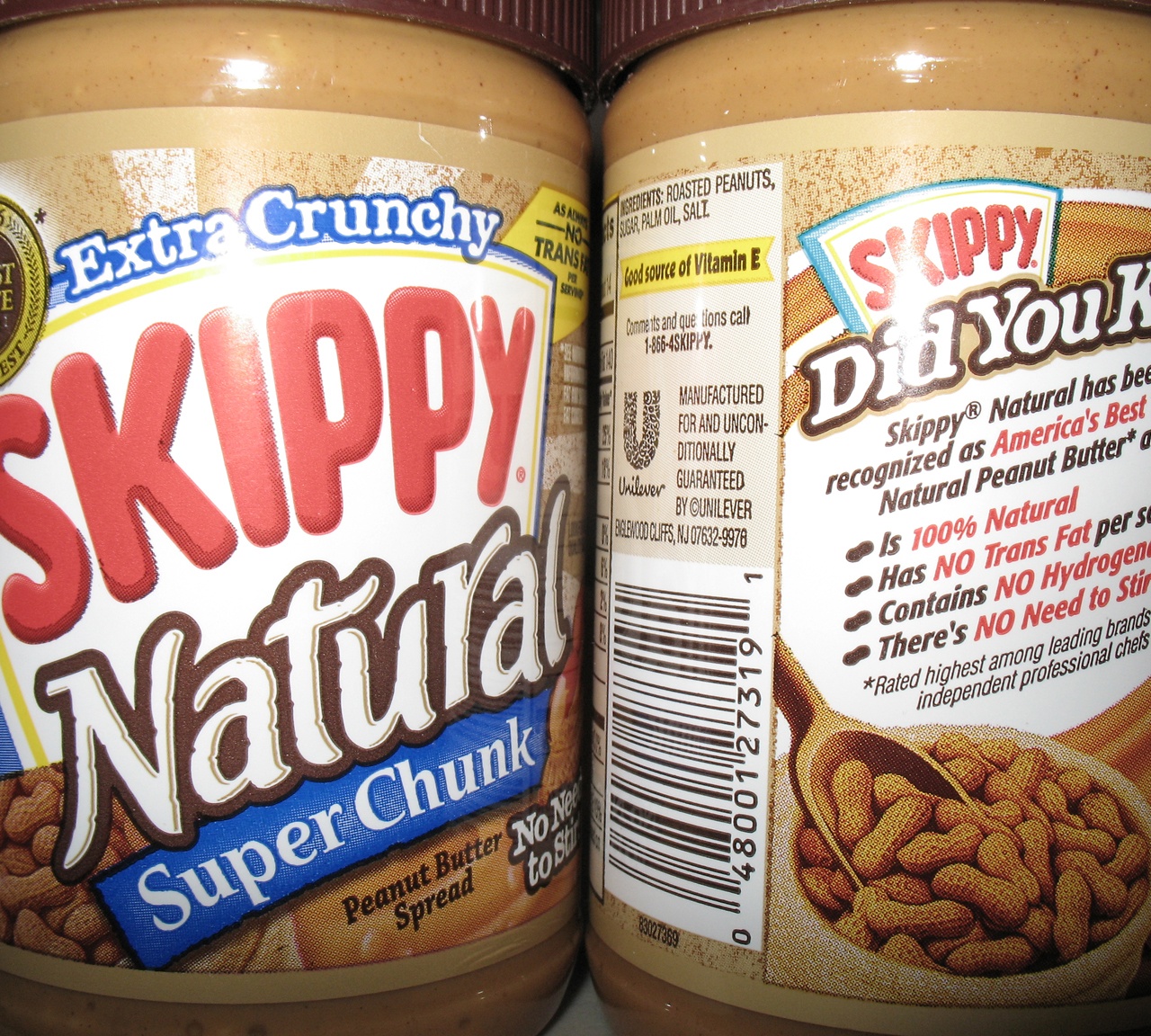
The U.S. Food and Drug Administration responded by requiring all food companies to label trans fats by 2006. Just three years later, American trans fat consumption wasa third lowerthan it was in 1980. While that was a noticeable improvement, most Americans still consume more than the recommended two grams per day. A nationwide ban comes into force next year, making PHO removal an urgent priority for all companies, whether they follow the clean label concept or not.
From a consumer perspective, Barnett said the impending ban meant shoppers were less vigilant about avoiding trans fat“because it’s been handled to a certain extent from a regulation standpoint”.
The health effects of the upcoming nationwide ban could be drastic. In 2007, some counties in New York banned trans fats in restaurants and fast food outlets. The result: heart attacks and strokes weredown more than 6%in the counties that had a ban in place compared to those that did not by 2010.
Artificial colors
In 2007, a paper known asthe Southampton Six studylinked six artificial food colors and a preservative, sodium benzoate, to hyperactivity in children. It sent shock waves throughout the industry and gave the natural colors sector a major boost. However, international experts found the study to be deeply flawed, and the European Food Safety Authority found no reason to revise its opinion on the safety of the colors.
Despite a large body of research backing their safety, consumers tend to want food that isas real as possibleand often choose naturally colored products over artificial ones when they are available.
Natural colors facemany challenges, including price fluctuations, availability for raw materials, heat, pH and light stability as well as consumer acceptance of the way the color looks in finished products. In some cases, that can create problems. Candy maker Hershey, for example, has struggled to recreate vibrant reds, greens and other colors that give its Jolly Ranchers hard candies their signature brightness without using artificial colors. Some pigments also may need to be used in much greater volumes than their synthetic counterparts, potentially requiring manufacturers to change their recipes.
But the trend isn’t fading, and68% of food and beverage productslaunched in North America from September 2015 to August 2016 used natural colors.
Artificial flavors
The synthetic versions of chemicals that make up flavors tend to be cheaper to produce than naturally sourced alternatives. They also are potentially more eco-friendly because they do not need to be grown and harvested, thereby saving land.
Vanillin, the chemical compound responsible for the taste and smell of vanilla, is one of the most popular flavors in the world — yet it remains one of the scarcest. Extracting the compound from nature, where it occurs in a rare orchid variety, is a lengthy, expensive process. The compound also can be produced in a lab using wood or petroleum. Apart from vanilla beans, which can be subjected to price swings – a shortage pushed prices to$496 a poundlast year – flavor firms have found other sources of natural vanillin, including eugenol from clove oil and ferulic acid from rice bran oil.
 Flickr
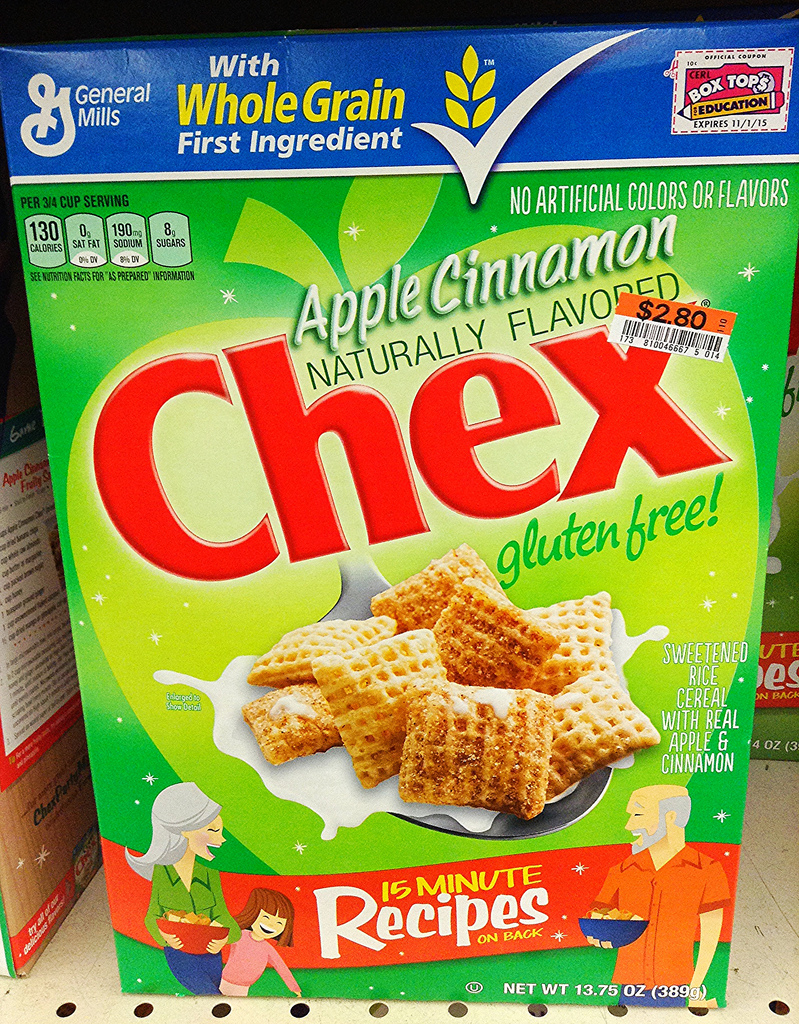
However, these sources aren’t cheap either and can lead to other challenges. As food companies including Nestle, Hershey, Kellogg and General Mills减少人工香料from their products, shortages and high prices for natural flavors are becoming the norm.
“Hershey has had to work very hard to swap out vanillin with real vanilla extract as they moved from something that was a processed ingredient to something that was more variable,” said Barnett. “These ingredients are more difficult to manage.”
Artificial preservatives
More than a third of consumers (35%) think preservatives arethe most harmful ingredient for their health, according to a CivicScience poll of more than 4200 consumers in 2015 – a greater proportion than those who chose sugar, saturated fat or sodium.
There are several positives of preservatives in food, most notably preventing bacterial growth and rancidity as well as extending freshness. Consumer health concerns do not appear to be specific to an individual preservative, but rather to the category as a whole. In response, McDonald’s said in 2016 it wouldremove all preservativesfrom its chicken nuggets. Clean label meat has become a small but lucrative segment of the overall meat market,according to recent Nielsen data.
“There’s negativity that’s become attached to anything that looks packaged. A lot of the positives of packaged foods, like long shelf life, have kind of become negatives.”
Tom Vierhile
Innovation Insights Director at GlobalData
Nitrates and nitritesarecommonly used preservativesin meat products. They give processed meats like bacon, sausages and ham their salty flavor and pink color, but they have been linked to increased cancer risk. Still, the evidence is far from clear. They also occur naturally in vegetables, andpeople consume far morenitrates and nitrites from these sources. But is it really the research that has caused such backlash among consumers?
“There’s negativity that’s become attached to anything that looks packaged,”Tom Vierhile , innovationinsights director at GlobalData, told FoodDive. “A lot of the positives of packaged foods, like long shelf life, have kind of become negatives.”
Citric acid, ascorbic acid and rosemary extract are examples of natural preservatives that can be added to food to extend shelf life. Ingredient manufacturers also are exploring the potential of extracts from oregano, onion, grape seed, celery and mushroom. Butin terms of both cost and functionality, there is still more work to be done before they are viable alternatives to artificial preservatives.
Gluten
Fewer than 1% of Americans have celiac disease, an autoimmune disorderthat causes damage to the small intestine when triggered by gluten.Despite the condition being relegated to a small segment of the U.S. population, demand for gluten-free products has skyrocketed, making them a top priority for many food manufacturers.
More than a decade after gluten-free products started to take off, the sector’s staying power – and continued growth – has confounded skeptics.According to research firm Packaged Facts, U.S. sales of gluten-free foods and drinks are projected to exceed $2 billion by 2019, up from an estimated $973 million in 2014.
Food manufacturers includingPepsiCo's Quaker division,Snyder's-LanceandGeneral Millshave introduced or reformulated hundreds of products like cookie mixes, cereal, crackers and muffins to be gluten-free or offer gluten-freevarieties. It hasn't always been easy. For General Mills, creating gluten-free Lucky Charms and Cheerios was particularly challenging. They were already made with oats, which are naturally gluten-free, but the company had to put in place a special sorting procedure to ensure they were not contaminated with gluten from wheat, rye or barley during harvest or processing.
制造商试图清理他们的名单ts by removing gluten or another ingredient, it is important to consider that consumers aren’t necessarily looking for reformulated foods – they are looking for more natural ones.
“A lot of what companies are trying to do is have pantry-level ingredients that consumers understand. We are in the middle of a generational shift where younger consumers won’t even consider products that seem too much like packaged foods,” Vierhile said. “There is a back to the future approach, a new appreciation for the way things used to be done. Companies are stuck between a rock and a hard place.”