Dive Brief:
- Kellogg is delaying the first wave of the launch of its new Incogmeato brand, CEO Steven Cahillanesaid in the company’searnings call Thursday.
- "We've shifted investment out of the first half, given the current situation, and into the second half. And for now, we remain focused on supplying the market with food," Cahillane said on the call.
- Incogmeato Burger Patties can be found in the meat case in select Weis and Stater Bros. stores, but broad distribution for the Incogmeato Burger Patties, Original Bratwurst, Italian Sausage and Chik’n Nuggets line will be rolling out to stores later this year. Further timing will be announced "soon," the company told Food Dive.
Dive Insight:
As CPG companies race to keep up with demand as products fly off of shelves during quarantines and lockdowns, previous plans for product launches and marketing strategies are being changed across the industry.
Last year, the MorningStar Farms brandannounced it was launchingthe Incogmeato line of plant-based meat products. In February, the company held a tasting event in New York City and said its first ready-to-cook plant-based burgerwould hit shelvesin March. Its plant-based bratwurst and Italian sausage would appear in stores in June. Although the company did do a limited launch of its burger patties, new timelines are being drawn up.
Kellogg told Food Dive in an email that broad retail distribution for the new line is delayed until later this year to help retail partners serve consumers right now.
"We are committed to prioritizing the critical needs of those at home and are working closely with retailers to keep store shelves stocked with in-demand food staples, including our MorningStar Farms Black Bean Burger, Chik’n Nuggets, and other favorites," the company told Food Dive.
Sales for many of Kellogg's products have surged in grocery stores as consumers stockpile during the pandemic. ItsEggo brand saw U.S. consumption accelerate by more than 45% in March. Its MorningStar Farms frozen veggie lines saw consumptiongrow more than 66%, the CEO said in the earnings call. But the company has lost business in foodservice, vending and convenience stores.
Along with the rise in demand in mainstay products, Cahillane said in the earnings call Kellogg has seen extra costs that come with keeping up production during this tumultuous time. The company spent more on production, bonuses, transportation and safety equipment. Shifting the investment for such a big product launch into the second half of the year could help the company balance its costs.
This was likely a tough decision for Kellogg since it was planning to launch the first wave of productsbefore grilling seasonbegan. But since the company hasn't given an exact timeline yet, it may still try to look to launch during summer.
"Consumers buy almost $800 million worth of meat in the weeks leading up to Fourth of July," Sara Young, general manager of MorningStar Farms,told Food Divein February. "So it was important we brought forward a suite of products that consumers could try and experience with their family and their friends at a barbecue, and have multiple offerings just in time for grilling season."
Kellogg is not the only company pausing on product launches during the pandemic. Coronavirusis creating difficultiesin product development, launches and marketing for various brands, especially with thecancellation oftrade shows. Many brands decided to push back launches and had to find new ways to promote their releases without a trade show, likevirtual product demonstrations.
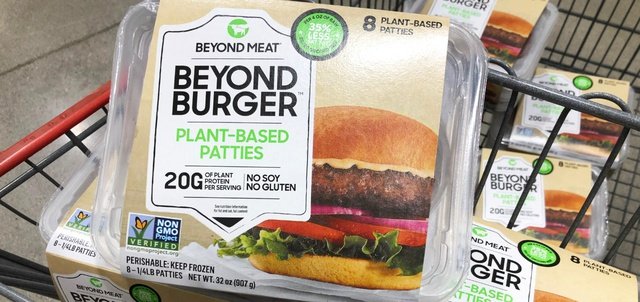
Delaying the national launch of the Incogmeato burger does put the company further back when it comes to competition in the space. Plant-based retail sales havejumped significantlyduring the pandemic and consumersare prioritizingproduct availability over brand loyalty — meaning now is an opportunity for customers to try new products.
Although Euromonitor analysts have predictedsales of plant-based meat substitutes到2023年将达到25亿美元,竞争吗s growing along with the market. Getting products onto shelves could help the brand gain traction. But focusing on meeting demand during the outbreak and planning costs for the year could be a smart move in the long run.