潜水简报:
- Meat sales, excluding deli meat, jumped 76.9% for the week ending March 15 compared to the same time last year,according to statistics from the National Chicken Council使用来自Data Insights公司IRI的数字。数据公司指出,削减最大的利润是碎牛肉(上涨179.1百万美元),鸡胸肉(8950万美元),猪肉(上涨3690万美元),查克(3630万美元)和ribeyes(超过3160万美元)。
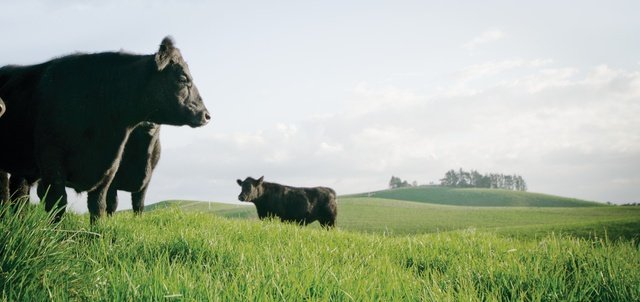
- 然而,这些销售额没有增加生产者的利润。蕨类植物公司的Insider报告了加工牛肉的批发价格rising nearly 20%, the price paid to ranchers has sunk 11% since January. Futures fell an additional 7% in April over fears of COVID-19 causing a cessation in slaughterhouse operations.
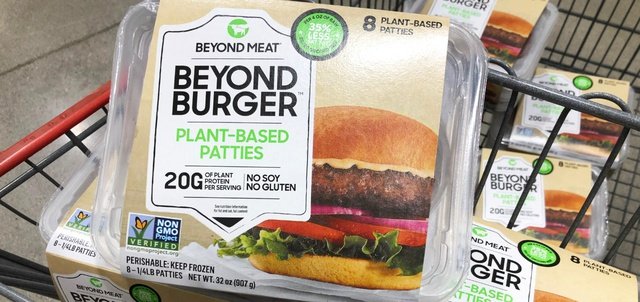
- 处理器升高了植物生产和从去年3月15日以3月15日结束的一周增加了68.7%的粮食零售量销售增加了68.7%。
潜入洞察力:
鲜肉是另一个消费者购买的杂货项目比员工可以重新存档。随着买家清理架子,生产商正在重新思考生产计划,以提供消费者寻求作为Covid-19的蛋白质,因为Covid-19已迫使餐厅和美国人留在家里。
From beef and chicken to lamb and turkey, sales of animal protein across the board have increased dramatically in the last week. These statistics are in stark contrast to numbers provided by The Wall Street Journal just two weeks ago.The Journal reportedU.S. cattle prices had fallen 19% between January and the first week of March this year.
有趣的是,这种浪涌将新鲜的肉类放在与货架稳定的罐头食品,手动消毒剂和卫生纸相同的类别中,这一直很难获得消费者库存,以便准备检疫措施。虽然肉是一种新鲜产品,报告显示消费者在批量购买,冻结额外的额外日期。
To compensate for the stockpiling, processors are diverting meat that would ordinarily be destined for restaurants and sending it to retail. Producers like Tyson Foods, Perdue Farms, Cargill and Sanderson Farmsare among the companies looking to shift远离食品服务和零售以满足需求的操作。其他肉类处理器正在增加额外的周末转换到他们的时间表以跟上,有些则要求政府expand the guest worker visaprogram to offset labor shortages.
In addition to logistical changes, processors areproviding incentivesfor workers to ensure they are present.路透社reported枫叶食品,激素食品,嘉吉和泰森将为员工提供暂时的工资或奖金。嘉吉将在每小时2小时增加2美元,额外500美元的奖金连续八周的每周转移。
然而,这种额外的现金流量没有涓涓细流到提供动物的农民和牧场主。虽然泰森宣布本周将为牛支付保费,但它是一次性奖励。路透社报道,畜牧业咨询服务Hedgersedge.com写道,本周从每周的580美元增加到每周的580美元。肉生产商正在敦促立法者调查这些膨胀的边缘,处理器正在赚钱,而那些提供动物的人同时经历萎缩的利润。
But this is not the first time this alarm has sounded about potential price fixing in the animal protein industry.
Tyson, Cargill, JBS and National Beef Packing Company are four beef-packing companies with a big influence over the industry, since they buy and process more than 80% of fed cattle in the U.S.,根据释放。Last year, The Ranchers Cattlemen Action Legal Fund United Stockgrowers of America (R-CALF) and other cattle ranchersfiled a class action lawsuitaccusing the companies of a conspiracy to minimize prices paid to ranchers for cattle in order to inflate their own margins and profits. While the case, rolled into a massive class action suit in Minnesota federal court, is still pending, the current disparity between commodity and wholesale prices may become new evidence in favor of farmers.
While these inflated prices have not yet been passed to the consumer, it may only be a matter of time before they will if retailers continue to scramble to restock shelves. If that is the case, it may benefit the plant-based industry. With a shortage of animal protein and the potential for prices to skyrocket, consumers could turn toward the扩大植物蛋白质的选择在杂货店零售业的短缺时期养活自己及其家人。