Dive Brief:
- Based on current front-of-package labeling, only 9% of people were able to identify the healthiest choice among six varieties of cereal bars in a study of 2,000 U.S. consumers done by research platform Attest. More consumers — a total of 13% — chose the least nutritious bar as the healthiest.
- Six in 10 consumers say they look for food and beverages to support their overall health when they shop, the study found. But 46% said they worry that the wellness-focused products in stores aren't actually healthy. Just over half of consumers said they want to see clear nutrition labeling on the front of products, and said that would be the top factor that would increase their trust in wellness-targeted offerings.
- While unbiased statements about health and wellness of food products are top concerns for consumers, there has not been much movement toward establishing them in the United States. Front-of-package nutritional labeling has not been required, and issuing a federally regulated definition of "healthy" has beenpending at the FDAsince 2016.
Dive Insight:
After two years of lockdowns related to the pandemic, personal choices to bolster health and wellness are becoming more important to many Americans. Nearly half of consumers in the Attest study said they want food to offer them better overall health and well-being.
But even though there are many guidelines in place for how food can be labeled, it's very easy for manufacturers to use front-of-pack product terminology that isn't untrue, but may be a bit misleading. The1990s-era standards for labeling products as "healthy"allow products like pudding cups, sugary cereals and toaster pastries to bear the label — but not items that have naturally high fat content, like nuts or avocados.
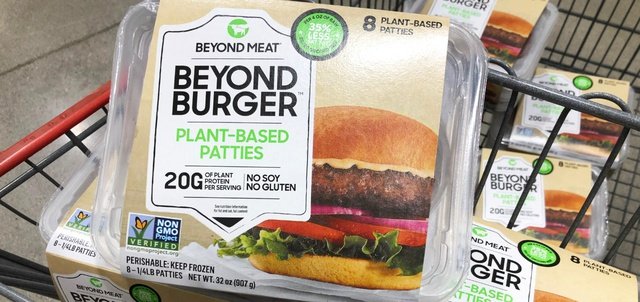
Companies can also call out the amount of different nutrients in their products — including protein or whole grains — on the front of their packages. However, manufacturers don't have to also call out the amount of potentially less desirable ingredients, like sugars, sweeteners, sodium or saturated fats. Attest found that this kind of potentially selective attribute labeling — "whole grains," "naturally flavored" and "100 calories" — had the biggest sway in leading consumers to make incorrect health-related choices.
在the recent past, there have been several efforts to revamp food labeling to bring more clarity to consumers about the nutritional value of the products they are buying. While the Nutrition Facts panel was在2016年正式修改and changes weremade by 2020, those shifts haven't necessarily impacted the way consumers choose food. Although the new panel reflects common serving sizes, makes total calories easier to see and notice, breaks out added sugars and adds new nutrients to the chart, it is still a back-of-pack chart. And consumers must read and decipher what the information means on their own.
Redefining label claims — including "healthy" and "natural" — have long been on FDA's docket, though not much progress has been made. In 2017, there was apublic hearing on defining "healthy."The USDA hascome out with new parametersfor the term, but there has been no publicly known progress from the FDA. In terms of "natural," FDA put out apress release trying to explainnatural and artificial flavors in 2016, which some thoughtcould be a precursor to an official actionto set a definition. Nothing further has come out of the department since then.
The Consumer Brands Association and Food Industry Association (FMI) have beenleading the voluntary Facts Up Front initiative, in which manufacturers put key information from the Nutrition Facts panel on the front of their packages, in order to increase transparency for consumers. This labeling regime has not been universally adopted, but studies have shownfront-of-pack labeling is effectivein both driving manufacturers to make products more nutritious, and helping consumers make better choices.
Abill proposed in Congress last yearwould mandate several of these labeling changes, prohibiting labels from improperly implying a high fruit, vegetable or yogurt content; requiring detailed information about artificial additives; adding nutritional parameters to define "healthy"; and requiring the FDA to define "natural." However, the future of the bill is uncertain. Rep. Frank Pallone Jr. and Sen. Richard Blumenthal, the bill's primary sponsors, have beenproposing similar legislationsince 2013. It's never had a hearing in either the House of Representatives or the Senate.