


Editor's Note:This article is part of a series on plant proteins. All stories in this series can be foundhere。
在一些年轻的购物者中,红肉已经消失了,可持续性也在。
这是根据美国测试厨房科学编辑盖伊·克罗斯比(Guy Crosby)的说法,哈佛公共卫生学院的兼职副教授。
“Younger consumers, especially millennials, are looking for an alternative for red meat, but they don’t want to give up protein,” Crosby told Food Dive.
对他们来说幸运的是,食品科学家和成分制造商一直在努力寻找真正的肉类替代品,这些肉会创造出令人满意的蛋白质食品。他们遇到了几种运作良好的成分。这是蛋白质产品中常用的植物成分的前6名。
Soy protein
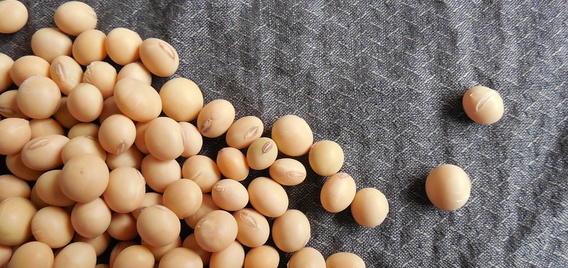
根据美国农业部的数据,大豆是one of the most-planted crops in the United States— second only to corn. In 2009, there were 77.5 million acres of soybeans planted.
Why plant so many soybeans in the first place? When pressed, soybeans are a main component of vegetable oil. Some of the leftovers can be used for animal feed. But there are still other leftovers — and that in the ‘90s, Dupont led an effort to use that leftover protein for something else, Crosby said.
“Soy is also very inexpensive because it's just derived from the animal feed waste product," Crosby said. ...It's not terribly complicated to make. It can be made in huge quantities. It's being processed a lot in Canada and China, which are probably the biggest suppliers in the word. From that point of view, it's got a lot going for it."
Since soy protein was the first ingredient that food scientists really explored making into a meat substitute, it has been researched, processed and tried in different forms for the longest time. This could help explain some of the reasons that soy protein is now found practically everywhere: Currently, about a quarter of all protein consumption comes from soy, according to Crosby.
克罗斯比说,从成本的角度来看,大豆非常便宜。大豆蛋白基本上是一种废物,因此很容易获得。这也增加了成分的可持续性。因为将大豆蛋白变成食物可以从垃圾填埋场中节省大豆,所以几乎没有更多环保食材可用。
大豆也很有营养。它具有完整的氨基酸 - 哺乳动物无法制作的必需营养。为了获得氨基酸,人们需要吃它们。克罗斯比说,尽管许多其他基于植物的蛋白质没有人们需要的一切,但“大豆确实能够满足该法案”。
Also in soy’s flavor: It is easily digestible by most people, and its taste can be easily seasoned to complement or mimic other food items.
But soy isn’t perfect. In the years that soybeans have been used as an ingredient, crops have been repeatedly genetically altered to create the best yields. Today, this means it's extremely different to find non-GMO soy. While most scientists say GMO crops are just as healthy as their non-GMO counterparts, some consumers only want to eat non-GMO foods — and for them, soy is often not a viable option.
Pea protein
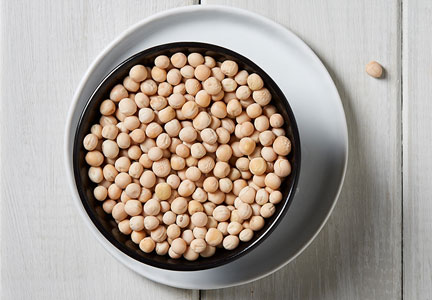
克罗斯比说,在2000年代初期,加拿大农民开始生产大量豌豆,以用作肉类替代品的蛋白质。从那以后的几年中,豌豆开始成为一种新成分。
“Pea protein has come along as probably the next best alternative,” he said. “It’s not genetically modified. It’s not too much more expensive than soy protein, although it doesn't have that big market of soybean oil. ...It’s got some good advantages.”
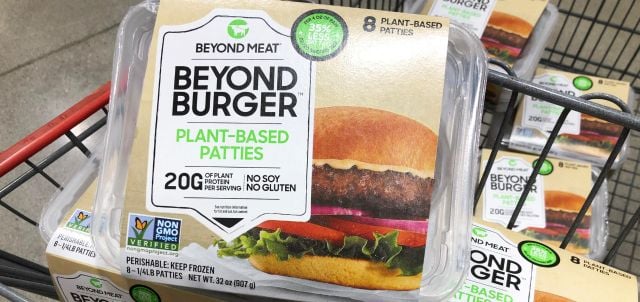
Pea protein can be processed in many of the same ways that soy is. These proteins can be found in many products, including Beyond Meat’s plant protein-based Beyond Burgers. However, it isn’t quite as widespread as soy — mainly because it has not been marketed as a protein substitute for as long, Crosby said. But many products that are in need of a protein jolt — shakes, snacks or protein bars — feature pea protein.
豌豆蛋白的口味使其成为各种应用的好物品。他说:“这被认为是非常平淡的,而且处理通常有任何口味。”“这不是被认为是一个重大发展。”
However, pea protein does have some negative aspects. Crosby said it has most of the essential amino acids, but it is not as complete as soy protein. Some consumers also have trouble easily digesting pea protein, making it slightly more difficult to include in products than soy.
藻类
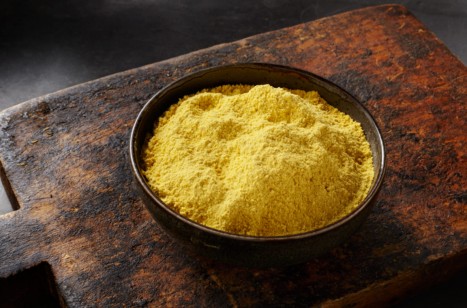
就可持续性而言,很少有植物可以与藻类进行比较。
藻类在水中生长并自然发生,不需要太多的肥料才能获得成功的农作物,并且不需要太多空间或需要任何高度特定的环境因素。
克罗斯比说:“这有点像垂直农业,蔬菜和事物的室内生长。”“您可以在不占用农业土地和资源的地区进行。”
Food scientists have recently been able to isolate algae protein and extrude it into different forms. But while algae may be one of the hottest new protein sources — appearing in products ranging from baked goods to meal replacers — it may have as many strikes against it as positive aspects in its favor.
For one, Crosby said, algae has a stronger flavor than other plant proteins. While the flavor may be loved by some — especially Asian cultures with similar traditional cuisine — it takes others a while to get used to it.
藻类蛋白也比大豆和豌豆蛋白的营养密度较低。Crosby估计其蛋白质的蛋白质少约30%,这意味着需要将更多的成分与之混合,以使其与其他一些选择相同的营养剂量。
Some consumers have also reported digestibility issues with algae protein. In one high-profile case, Soylent指责消费者报告藻粉的胃肠道苦难in the product and immediately stopped using it — without determining whether the ingredient was the true culprit, according to its algal flour supplier TerraVia Holdings.
Hemp
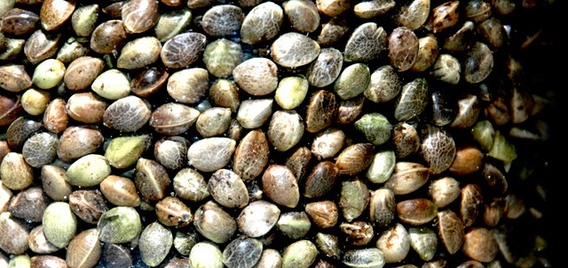
另一个新兴的成分,大麻是吸引兴趣作为蛋白质的良好来源。但是,成分是still picking up steamas something healthy to eat, thanks to its illegal drug cousin marijuana.
虽然可以分离大麻种子中的蛋白质,并且可以在许多应用中使用纤维纹理,但它并不像其他一些基于植物的蛋白质选择那样营养。
“It is lower down the scale in completeness in the essential amino acids,” Crosby said.
规模从0到1, if soy protein is a 1 for completeness, hemp is about a 0.5, he added.
尽管如此,大麻蛋白的优势还是大部分是纯净的。克罗斯比说,蛋白质本身并不多,它的味道就像大豆和豌豆蛋白:相当平淡且易于与其他成分混合在一起。
Rapeseed
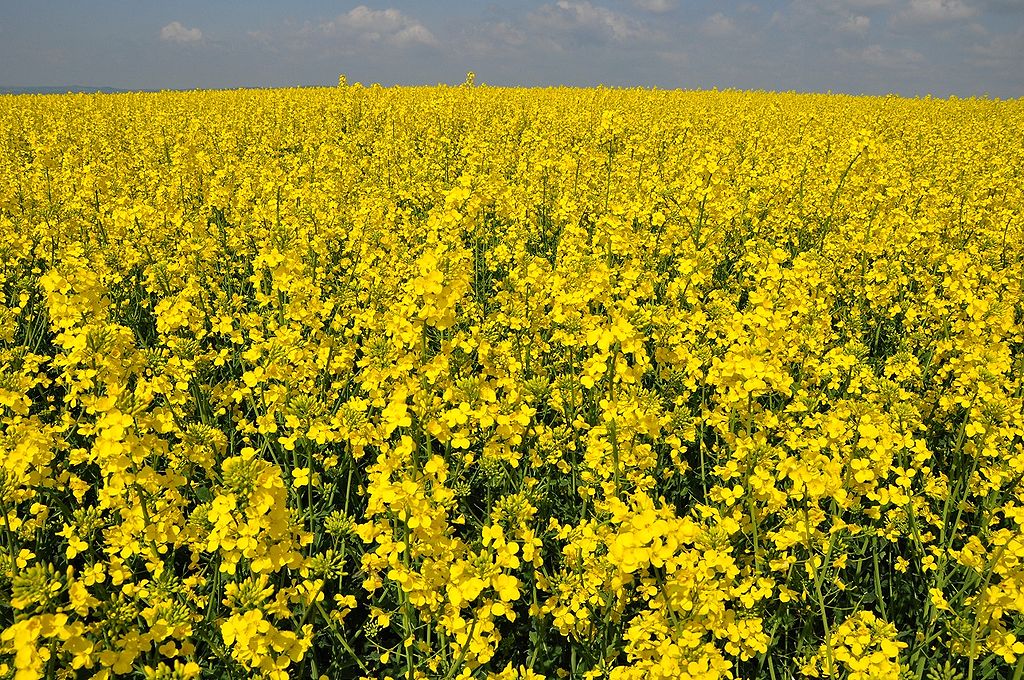
Like soy protein, rapeseed protein is a waste product — this time from extracting canola oil. Rapeseed is also used as animal feed, making its use as a plant protein a secondary application.
但是,菜籽蛋白在现场非常新。
克罗斯比说:“自1920年代以来,该国就生产了大豆油,植物油。”“菜籽油是最近的发展。”
The oil was developed by Canadian farmers in the 1970s, giving manufacturers and food scientists far less time to wonder about ways to use it. However, Crosby said, rapeseed as an ingredient holds promise — it can be easily extruded like soy and pea protein, and it boasts nutrients that can help in hair and skin development.
“It’s got something going for it as a reason for developing it," Crosby said. "That plus a similar functionality to pea and soy protein.” Crosby said. “It’s being looked at because it's coming from a waste product.”
“Cereal grains offer a lot of protein,” he said.
Old standbys: Oats, barley, wheat and beans
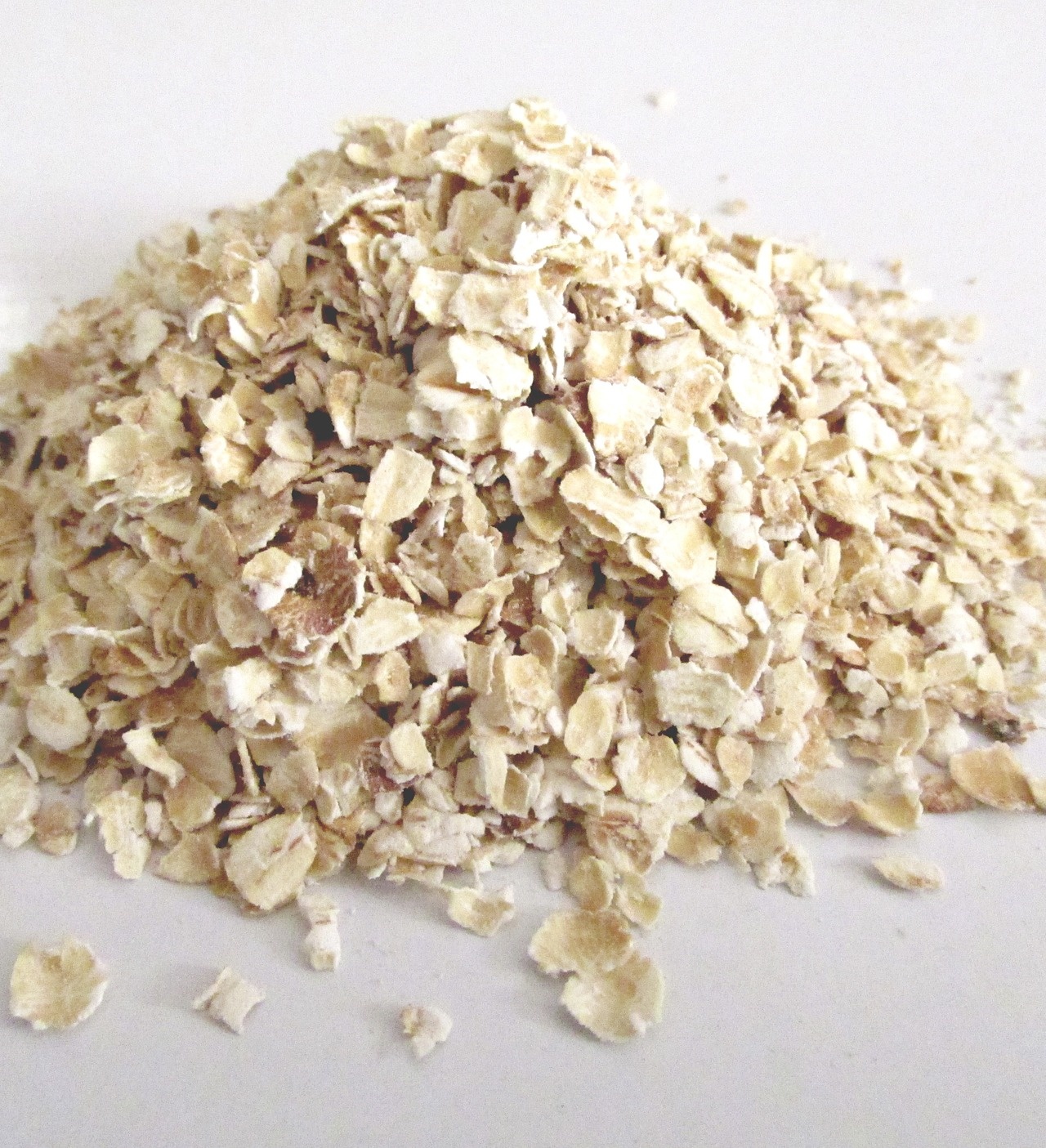
尽管正在探索通过植物蛋白质的新方法,但克罗斯比说,几个世纪以来享受的一些成分也值得一看。有充分的理由是,燕麦,大麦,小麦和各种豆类等谷物被视为蛋白质的良好来源,因为有人对营养有所了解。
Crosby said about 10% of the world’s protein consumption comes from people eating wheat.
“Cereal grains offer a lot of protein,” he said.








_in_Germany.JPG)